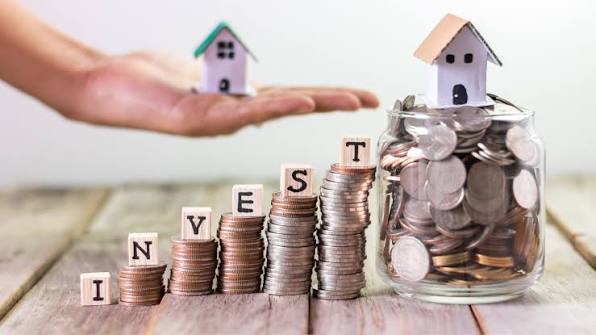
Buying a property is often associated with excitement and long-term financial security. However, purchasing a home that stretches your finances too far can turn what should be a positive milestone into a source of ongoing financial pressure.
One of the most important questions to ask before buying property is not simply, “How much will the bank lend me?”
The better question is, “How much can I comfortably afford?”
There is an important difference between being approved for a particular amount and being financially comfortable with the associated monthly costs.
Look Beyond the Purchase Price
The purchase price is only one part of the cost of owning property.
Buyers should consider the full financial commitment associated with the purchase.
Depending on the transaction, this may include bond-related costs, transfer costs, legal fees, rates and taxes, insurance, levies, utilities and ongoing maintenance.
If you purchase a sectional-title property, monthly levies should form part of your affordability calculations.
It is also important to remember that maintenance does not disappear simply because you have moved into the property.
Roofs, plumbing, electrical systems, appliances, paintwork, gardens and other parts of a home eventually require attention.
Understand Your Monthly Budget
Before looking at properties, establish a realistic monthly budget.
Start by looking at your income and regular expenses.
Consider your existing debt obligations, transport costs, groceries, insurance, education, subscriptions, savings and other recurring expenses.
Then consider how a property payment would fit into your existing financial commitments.
The objective is not to find the most expensive property you can technically afford.
The objective is to find a property that allows you to maintain a healthy financial position after the purchase.
Think About Interest Rates
If you are financing your property purchase, changes in interest rates can affect your monthly repayment.
This is why buyers should avoid creating a budget that only works under ideal circumstances.
Consider whether you could still manage the repayment if borrowing costs increased.
Building some financial breathing room into your budget can make homeownership more sustainable.
Keep an Emergency Fund
Property ownership comes with unexpected expenses.
A geyser can fail. A pipe can leak. An appliance can break. Maintenance can become necessary at an inconvenient time.
For this reason, having emergency savings is an important part of responsible homeownership.
You do not want every unexpected repair to become a financial crisis.
Consider the Long-Term Commitment
Buying property is usually a long-term financial commitment.
Before purchasing, think about how your circumstances could change.
Could your income change? Could your family grow? Could your employment situation change? Could you need to relocate?
You cannot predict everything that will happen over the next decade, but thinking about possible changes can help you avoid buying a property that only works for your current circumstances.
Do Not Forget the Cost of the Area
Affordability is also influenced by where you choose to live.
Two properties with similar purchase prices can have very different ongoing costs.
Rates, levies, transport costs, maintenance requirements and other expenses can vary considerably.
A slightly cheaper property that requires significantly more commuting or maintenance may not actually be cheaper in the long run.
Look at the complete cost of the lifestyle associated with the property.
Get Professional Advice
Buying property involves significant financial and legal considerations.
A qualified financial professional can help you understand your affordability and broader financial position, while your property professional can help you understand the market and the property itself.
You should also ensure that you understand the legal documents and contractual obligations before signing.
Asking questions before committing is far easier than trying to resolve an expensive problem afterwards.
Buy for Your Financial Reality
Owning property can be an important part of building long-term financial security, but the purchase needs to make sense within your broader financial circumstances.
The goal should not be to buy the biggest property you can qualify for.
It should be to buy a property that you can comfortably own, maintain and enjoy.
A financially sustainable property purchase gives you something far more valuable than impressive square metres.
It gives you stability and room to build towards your next financial goal.